
Department of Rehabilitation Sciences and Diagnostic Medicine
Message from the Head of Department
Welcome to the Department of Rehabilitation and Diagnostic Medicine at Palestine Polytechnic University. Our four programmes share a commitment to patients and communities. In Occupational Therapy and Physiotherapy, we prepare students to help people improve their mobility, independence and participation in daily life. In Medical Imaging and Nuclear Medicine and Medical Laboratory Sciences, we prepare students to produce reliable diagnostic information that healthcare teams use to make care decisions and monitor patients’ progress.
We link learning in specialist laboratories and simulation settings with clinical and field placements. We work with our partners to develop training and research opportunities that address health and rehabilitation priorities in Palestine. I invite you to explore our programmes and the professional pathways they offer.
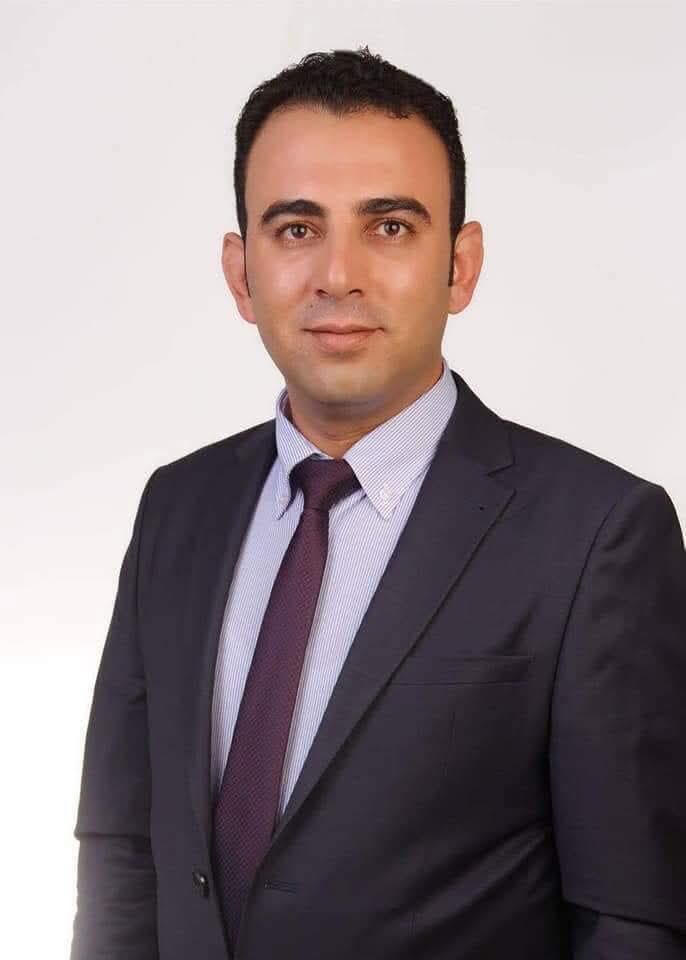
Dr. Mohammad Al-Talahma | Chair, Department of Rehabilitation Sciences and Diagnostic Medicine
Undergraduate Programmes
- Occupational Therapy
- Physiotherapy
- Medical Imaging and Nuclear Medicine
- Medical Laboratory Sciences
Vision
To be a leading academic centre for rehabilitation and diagnostic medicine in Palestine and the region, and to improve the quality of healthcare and widen access to diagnostic and rehabilitation services through excellence in education, applied research and innovation.
Mission
To prepare qualified professionals in occupational therapy, physiotherapy, medical imaging and nuclear medicine, and medical laboratory sciences through evidence based education, supervised practical training, applied research and the responsible use of technology. Through this work, we aim to improve the quality of rehabilitation services and the accuracy of diagnostic testing in Palestine.
Departmental Objectives
- Keep curricula, teaching methods and assessment practices up to date with scientific evidence, academic and professional standards, and the needs of Palestine’s health sector.
- Strengthen laboratory, clinical and field training through simulation and technologies suited to each programme, and monitor and assess student performance in partnership with placement providers.
- Promote safe, ethical practice that protects the dignity and privacy of patients and service users, and develop students’ communication and multidisciplinary teamwork skills.
- Support applied research and student projects that advance rehabilitation services and improve the quality of medical imaging and laboratory testing in line with Palestinian health priorities.
- Strengthen partnerships with healthcare and community organisations to expand training opportunities, promote health awareness and improve access to services, particularly for people with disabilities.
- Review and improve programmes regularly using performance indicators and feedback from students, graduates, placement providers and employers.
Programme Descriptions and Learning Outcomes
Occupational Therapy
The Bachelor’s programme in Occupational Therapy prepares graduates to enable people of all ages to participate in activities they need or want to do, including self-care, learning, work and play. Students learn to support independence, quality of life and community participation by developing individual abilities and adapting activities and environments to each person’s needs and priorities.
On completion of the programme, graduates will be able to
- Assess occupational performance using appropriate tools and analyse how individual abilities, activity demands and environmental conditions support or limit participation.
- Set measurable goals for occupational performance with service users and their families, and plan interventions informed by their priorities, assessment findings and research evidence.
- Use activities that are meaningful to the person, adapt tasks and environments, and select appropriate assistive devices and technologies to support independence and participation.
- Measure changes in occupational performance, independence and participation, document outcomes and adapt interventions in response to progress.
- Work with families and multidisciplinary teams to support participation at home, at school, at work and in the community while respecting privacy, individual choices and professional ethics.
- Critically appraise and apply research evidence, contribute to projects that address community needs, and identify priorities for continuing professional development.
Physiotherapy
The Bachelor’s programme in Physiotherapy prepares graduates to prevent, assess and manage movement and functional impairments. Students learn to help people across the lifespan restore or improve movement and function and maintain independence in daily life.
On completion of the programme, graduates will be able to
- Assess movement and the ability to perform daily activities using appropriate measures, identify priority problems and recognise signs that warrant referral.
- Interpret assessment findings, agree measurable goals with patients and develop individualised, evidence-based treatment plans that reflect their clinical needs and priorities.
- Select and safely deliver therapeutic exercise, physiotherapy techniques and functional training, adapting interventions to the patient’s condition and response within the scope of practice and in line with professional ethics.
- Measure changes in movement and function, document progress and adjust treatment in collaboration with the patient and healthcare team.
- Advise patients and their families on physical activity, injury prevention and self-management to support continued progress in daily life.
- Critically appraise and apply research evidence, contribute to projects on movement and rehabilitation outcomes, and identify priorities for continuing professional development.
Medical Imaging and Nuclear Medicine
The Bachelor’s programme in Medical Imaging and Nuclear Medicine prepares graduates to perform imaging examinations in accordance with approved protocols and to produce images and data of sufficient technical quality for diagnosis and follow-up. The programme emphasises patient safety and dignity before, during and after each examination.
On completion of the programme, graduates will be able to
- Apply cross-sectional anatomy and imaging physics to select appropriate patient positioning and technical settings for radiography, computed tomography (CT) and magnetic resonance imaging (MRI), in accordance with approved protocols and the scope of practice.
- Verify patient identity and examination requirements, check precautions and contraindications, explain the procedure and prepare the patient. Document the examination and communicate with the healthcare team while protecting patient confidentiality.
- Perform functional and molecular imaging in accordance with nuclear medicine protocols, including positron emission tomography combined with computed tomography (PET/CT), and handle radiopharmaceuticals safely within the scope of practice.
- Apply radiation protection principles, optimise doses while achieving the diagnostic objective, protect patients and staff, and follow safety requirements specific to each imaging modality.
- Evaluate anatomical coverage and the technical quality of images and data, identify the causes of artefacts or other technical flaws, take corrective action within the scope of practice, and contribute to equipment quality control.
- Critically appraise research evidence, contribute to applied projects that compare imaging protocols or evaluate image quality and radiation dose, and keep up with advances in medical imaging and nuclear medicine.
Medical Laboratory Sciences
The Bachelor’s programme in Medical Laboratory Sciences connects the biological and molecular basis of disease with clinical laboratory practice. Students learn how disease-related changes affect test results and learn to select analytical methods, use modern laboratory technologies, evaluate test performance and interpret findings in light of available clinical and laboratory information. The programme develops skills in critical appraisal and scientific research and emphasises quality, biosafety and professional ethics.
On completion of the programme, graduates will be able to
- Explain the scientific basis of laboratory testing by linking cellular, molecular and functional changes in disease to the laboratory markers used in diagnosis and follow-up.
- Follow procedures for collecting, receiving and storing biological specimens, match specimen records to the patient’s identity, assess suitability for testing and maintain traceability.
- Select test methods and perform manual and automated analyses across clinical chemistry, haematology and coagulation, medical microbiology, immunology and serology, blood banking and molecular diagnostics.
- Evaluate analytical performance and the reliability of results using quality control data and relevant performance characteristics. Identify sources of error before, during and after analysis, and take corrective action within the scope of practice.
- Review and interpret laboratory findings in light of the available information and test limitations, document results using laboratory information systems, and report critical values in accordance with established procedures while protecting patient confidentiality.
- Formulate research questions, critically appraise the scientific literature, analyse laboratory data and communicate findings clearly to support evidence-based practice.
- Follow biosafety and risk-management procedures, uphold professional ethics and communicate effectively with other members of the healthcare team.
Laboratory Facilities and Partnerships
Students develop practical skills in specialist laboratories and simulation settings before applying them on placement. In the occupational therapy laboratory, for example, a simulated home setting allows students to practise activities of daily living. Students build on this experience through supervised clinical and field placements with partner organisations relevant to their programme.
Cooperation agreements with universities and healthcare institutions in several countries support clinical training and student exchanges, subject to the opportunities available in each programme.
The Department is integrating digital technologies and artificial intelligence into teaching, training and research. Educational applications include the analysis of movement, medical images and laboratory data, with attention to verifying outputs and protecting patient privacy.